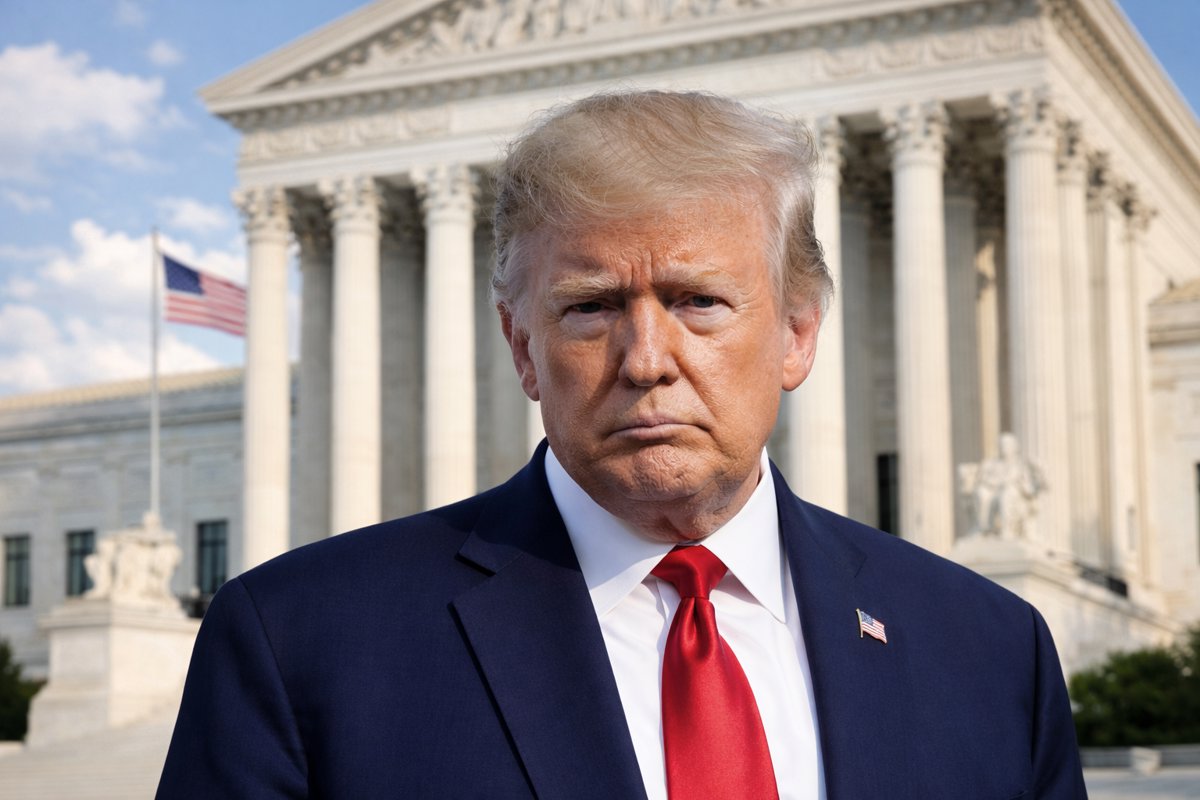
On February 20th, the Supreme Court of the United States delivered a landmark ruling on the global tariffs imposed by President Donald Trump. The Court held that the sweeping tariffs placed on imports from several countries exceeded the legal authority granted to the President. The judgment has triggered significant legal and economic debate across the United States.
The Trump administration had imposed high tariffs on steel, aluminum, and various technology products, arguing that the measures were necessary to protect national security and domestic industries. The policy particularly targeted imports from China and other Asian economies. However, importers and business groups challenged the move, claiming that the President overstepped his statutory powers.
In its majority opinion, the Supreme Court stated that the International Emergency Economic Powers Act (IEEPA) did not authorize the broad use of tariffs in the manner applied. The justices emphasized that major trade measures such as widespread tariffs require clear congressional approval. The ruling effectively draws a constitutional boundary on the executive branch’s use of economic powers.
The judgment also casts uncertainty over several trade understandings and tariff arrangements with countries such as Japan, members of the European Union, Malaysia, Indonesia, Vietnam, and India. Legal experts suggest that previously collected duties may face further scrutiny, and future trade measures could require stronger legislative backing.
President Trump expressed dissatisfaction with the verdict, maintaining that the tariffs were introduced to defend American workers and industries. He indicated that his administration would explore legislative routes to reintroduce protective measures if necessary. Overall, the February 20 ruling marks a significant turning point in U.S. trade policy and executive authority.
Politics
US Supreme Court Invalidates Trump’s Tariff Orders
On February 20th, the U.S. Supreme Court ruled that President Donald Trump’s sweeping global tariffs exceeded his legal authority. The Court clarified that such broad trade measures require congressional approval. The decision marks a major shift in the limits of executive power over U.S. trade policy.
Tags:
US Supreme Court
Donald Trump
Trump tariffs verdict
US trade policy
Global tariffs
IEEPA law
Section 301
Section 232
US Congress approval
International trade news